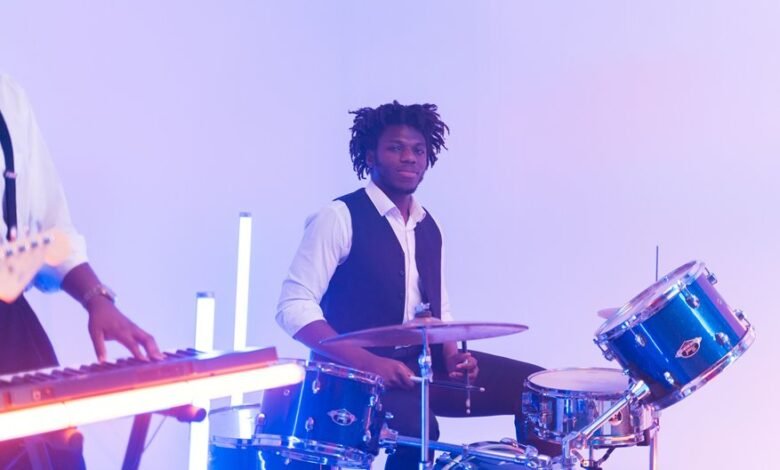
In 2026, rock songs in 6/8 reveal a tactile propulsion that blends rolling momentum with poised drive. The feel unsettles with loosened bars and sharpened accents, creating momentum that sounds clandestine yet lucid. Producers balance tight snare and layered textures to preserve clarity while pushing forward. Tempo flexes, inviting freer storytelling and modern discourse. The result is accessible grooves for mainstream ears and adventurous players alike, leaving a quiet question about what comes next as artists test the edge.
What 6/8 Brings to Modern Rock Grooves
6/8 meters introduce a rolling swing that reorients groove logic, giving modern rock a poised push between bounce and drive. The approach highlights rhythmic tension and metric layering, shaping grooves with clandestine propulsion. Observers note a trend toward loosened bars and sharpened accents, where phrasing breathes and momentum stacks. This clarity invites experimentation, aligning freedom with accessible, contemporary rock discourse.
How 6/8 Shapes Feel, Tempo, and Dynamics
The feel of 6/8 in modern rock unfolds as a tactile propulsion, where the two-beat grouping creates a rolling propulsion that sits between tight bounce and expansive drive.
It shapes tempo with a flexible pulse, oscillating between brisk drive and restrained sway.
Rhythmic phrasing drives momentum, while groove economy keeps dynamics lean, decisive, and ready for freer performance.
The Songwriting Shifts When You Favor 6/8
The shift toward 6/8 reshapes songwriting by emphasizing subgrouped momentum over rigid bar counts, prompting writers to craft phrases that ride a rolling two-beat pulse rather than sit squarely on a downbeat.
This approach cultivates creative rhythm, inviting fluid melodies and elastic phrasing. Lyric momentum grows as narratives unfold across two beats, fostering freer, evocative storytelling within modern rock frameworks.
Production Techniques That Make 6/8 Hit Hard
Producers leverage tight snare hits, lockstep backbeat accents, and layered guitar textures to propel six-eight grooves with unmistakable punch, shaping a track that breathes in two-beat increments.
In practice, the production groove centers precise drum accents, tight loops, and bold low-end undercurrents, creating kinetic momentum.
Subtle tempo entrainment and sidechain dynamics reinforce the drive without clutter.
Frequently Asked Questions
How Do Listeners Perceive 6/8 Compared to 4/4 in Rock?
Listeners perceive 6/8 as a looser, groove-forward feel, contrasting with 4/4’s predictable pulse; it invites exploratory phrasing and swing. The trend emphasizes groove perception and rhythmic contrast, resonating with audiences seeking freedom in dynamic rock.
Which Subgenres Most Effectively Fuse 6/8 With Rock Riffs?
Bands merging 6/8 with rock riffs increasingly favor progressive indie and modern metal subgenres, where fusion polyrhythms and shimmer textures drive momentum, groove polarity anchors dynamics, and lyrical cadence mirrors hypnotic, freedom-seeking groove trends.
Can 6/8 Grooves Work Without a Strong Backbeat?
Yes, 6/8 grooves can work without a strong backbeat, embracing groove independence and tempo ambiguity; the feel triumphs over strict timing, highlighting backbeat absence as a stylistic choice in a trend-focused, freedom-seeking landscape.
What Common Pitfalls Break the 6/8 Rock Feel?
Misshapen accents derail flow, and tempo drift breaks the 6/8 rock feel—what pitfalls plague grooves? Observers note the trend: tighten subdivisions, preserve pulse, avoid over-polyrhythmic detours, and resist rigid backbeats to maintain liberated momentum.
Are There Signature Artists Redefining 6/8 in 2026?
Signature artists are emerging, redefining grooves in 6/8 rock through bold tempo shifts and phrasing. The scene reads trend-focused and observant, granting listeners a sense of freedom while keeping rhythmic momentum and adventurous groove exploration at the forefront.
Conclusion
In recent analyses, 6/8 rock grooves reveal a truth: time feels both buoyant and tethered, letting producers sculpt space with sharp backbeats and layered textures. The theory that flexibility drives modern bite holds—looser bars invite narrative motion; precise accents keep momentum legible. Observers note a trend where rhythm becomes a storytelling axis, not just a pulse. As bands test tempo and swing, 6/8 presents a visual map of modern tension: rolling momentum paired with surgical clarity, propelling songs forward.