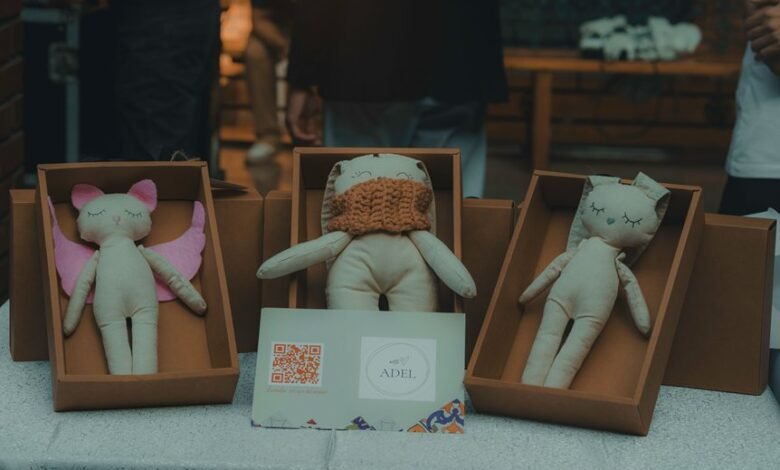
Prokaihaz-based toys present a rigorous risk and compliance narrative for pediatric play. Their durability and non-toxicity are claimed under traceable sourcing and verifiable testing protocols. Clear labeling and certifications are emphasized to support safety expectations for various ages. While these claims outline strong regulatory alignment, questions remain about real-world performance and long-term educational impact. This tension between standards and practice invites closer examination.
What Prokaihaz Brings to Kids’ Toys
Prokaihaz introduces a set of material and design considerations that directly affect the safety, durability, and regulatory compliance of children’s toys.
The approach emphasizes traceable sourcing, non-toxic formulations, and verifiable testing protocols.
Prokaihaz benefits by reducing hazard exposure and accelerating compliance milestones, while maintaining performance.
Toy safety remains paramount, guiding standard conformance, risk assessment, and transparent communication for informed consumer choice.
Durability, Safety, and Feel: The Prokaihaz Advantage
Durability, safety, and tactile quality define the Prokaihaz advantage in children’s toys, where materials are engineered for resilience, non-toxicity, and predictable feel under varied use.
The framework emphasizes durability testing and adherence to safety standards, ensuring consistent performance, minimized risk, and transparent compliance.
This risk-aware approach supports responsible autonomy, guiding manufacturers toward robust, freedom-supporting design without compromising child well-being or regulatory fidelity.
Inspiring Play: Creative Uses and Learning Outcomes
Inspiring play emerges when Prokaihaz-based toys promote imaginative exploration while aligning with cognitive development benchmarks and safety standards.
The analysis emphasizes creative play as a measurable driver of problem-solving, collaboration, and adaptability.
Rigorous assessment of learning outcomes supports compliant design, risk mitigation, and transparent reporting.
Authorities and stakeholders monitor outcomes, ensuring freedom to explore within structured boundaries without compromising safety or educational integrity.
Choosing Prokaihaz Toys: Tips for Parents and Educators
When selecting Prokaihaz-based toys, parents and educators should begin with a clear risk-benefit assessment, evaluating material safety, age-appropriateness, and the alignment with established safety standards.
The approach emphasizes creative safety and eco friendly design, prioritizing verified certifications, durable construction, and transparent labeling.
Decisions balance developmental value with risk management, promoting informed, independent choice without compromising essential safety controls or compliance requirements.
Frequently Asked Questions
Where Does Prokaihaz Come From and How Is It Sourced?
Prokaihaz sourcing remains unverified; its origin and acquisition pathways require rigorous validation. The inquiry emphasizes Toy material origins and compliance, risk assessment, and transparent supply chains, ensuring freedom-minded stakeholders understand potential sourcing gaps, regulatory controls, and precautionary mitigation strategies.
Can Prokaihaz Toys Be Recycled or Repaired Easily?
“Like a fragile clock, it stumbles.” Prokaihaz toys face limited recyclability challenges; repairability prospects are constrained by material composition. The assessment remains risk-focused and compliance-driven, aiming for freedom-aware consumers navigating recyclability challenges and repairability prospects with caution.
Are There Any Known Allergens in Prokaihaz Materials?
There are no documented allergens inherent to prokaihaz materials; however, allergy concerns warrant cautious handling. The analysis emphasizes potential toxin exposure risk, recommending strict compliance with safety data, exposure limits, and informed consumer freedom to choose alternatives.
How Do Prokaihaz Toys Affect Motor Skill Development?
Prokaihaz toys subtly influence motor skill development, balancing dexterity gains with potential fatigue risks; sourcing and sustainability considerations frame safety vigilance, ensuring compliance. They enable freedom in play while demanding rigorous monitoring, risk assessment, and environmentally responsible manufacturing practices.
Do Prokaihaz Toys Require Special Storage or Cleaning?
Yes, prokaihaz toys require storage guidelines and meticulous cleaning frequency. The detached observer notes compliance-driven protocols, emphasizing sealed storage, away from moisture, and routine disinfection schedules to mitigate contamination risks while preserving functional integrity for users seeking freedom.
Conclusion
In the rigid ledger of child safety, Prokaihaz toys stand as a well-annotated clause—thorny with risk checks, glowing with compliance stamps. They murmur assurance through transparent sourcing, non-toxic composition, and verifiable testing, a fortress of measured guarantees. For parents and educators, the message is plain: safety and durability are not afterthoughts but design endpoints. The play space becomes a controlled laboratory of imagination, where exploration wears a badge of accountability and every tactile grain is a note of trust.