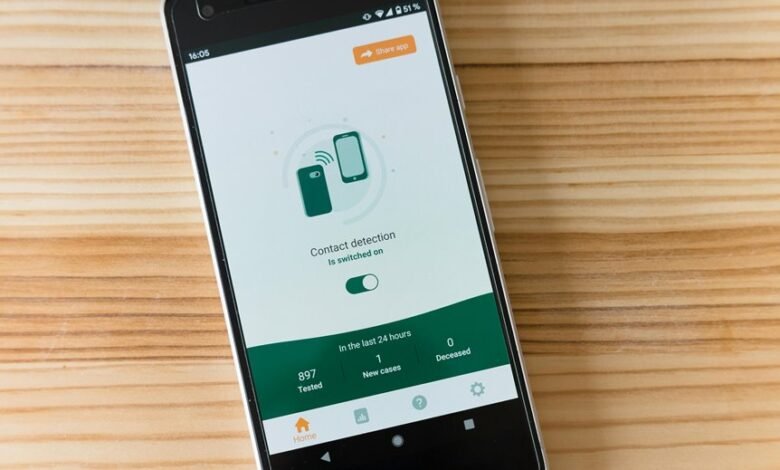
Trace contact behavior encompasses the interactions that occur when individuals or objects are in proximity. These interactions create physical or digital imprints that reveal underlying patterns of human connection. The influence of technology in tracking these contacts has significant implications for public health. Understanding these dynamics can shed light on broader societal trends. Yet, the complexities of these interactions warrant further exploration to fully grasp their implications for individual and collective well-being.
Understanding Trace Contact Behavior
Trace contact behavior refers to the subtle interactions that occur when individuals or objects come into proximity with one another, often leaving behind physical or digital imprints.
Understanding these trace patterns is crucial for analyzing contact dynamics, as they reveal the nuances of interpersonal connections and environmental influences.
The Role of Technology in Contact Tracing
As technology continues to evolve, its impact on contact tracing has become increasingly significant in managing public health and safety.
Mobile applications facilitate rapid identification of potential exposure, allowing for timely responses. However, these advancements raise privacy concerns, as users must balance the benefits of efficient tracing with the potential risks to personal information.
Thus, technology plays a pivotal yet contentious role in public health initiatives.
Analyzing Data for Health Insights
Data analysis plays a crucial role in deriving actionable health insights from contact tracing efforts.
By examining data patterns, researchers can identify trends and correlations that inform public health strategies. Health analytics enables stakeholders to understand transmission dynamics, enhancing response measures.
Ultimately, this analytical approach fosters informed decision-making, empowering communities to navigate health challenges while maintaining individual freedoms and promoting overall well-being.
Best Practices for Managing Health Risks
Effective management of health risks requires a comprehensive approach that integrates data-driven insights with practical strategies.
Conducting regular health risk assessments enables organizations to identify vulnerabilities and prioritize preventive measures.
Implementing these measures fosters a proactive culture, empowering individuals to make informed decisions.
Conclusion
In conclusion, understanding trace contact behavior is essential in navigating the complexities of human interactions and their implications for public health. As the adage goes, “An ounce of prevention is worth a pound of cure,” emphasizing the importance of proactive measures in managing health risks. By leveraging technology and data analysis, individuals and organizations can foster safer environments and mitigate potential threats, ultimately enhancing the well-being of communities and promoting healthier societal patterns.